Sauna Safety & Heat Therapy Protocol: Exposure Times, Hydration & Beginner Guidelines
An evidence-based framework for safe sauna bathing: session durations, temperature calibration, electrolyte replacement, and essential health cautions.

- Beginners should start with 10 to 15 minutes at moderate temperatures before considering longer 20-minute rounds.
- Drink 16 to 24 ounces of water with pinch of sodium and potassium prior to and following your session.
- Exit immediately if you experience dizziness, nausea, lightheadedness, or heart palpitations.
- Sauna bathing is a relaxation and wellness practice—not a cure for acute medical conditions.
Calibrating Duration and Temperature
More is not always better when it comes to hyperthermic exposure. The physiological adaptations associated with heat therapy—such as heat shock protein transcription and cardiovascular vasodilation—plateau after 15 to 20 minutes.
For beginners, 10 to 12 minutes at 150°F to 160°F is ample time to elicit sweating without putting unmanageable stress on the autonomic nervous system.
Consuming alcohol before or during sauna use is the leading cause of sauna-related syncope, accidental burns, and medical emergencies. Alcohol blunts compensatory cardiovascular reflexes.
The Cooling Phase: Contrast Done Right
After exiting the cabin, give your vascular system 2 to 3 minutes of room-temperature air cooling before stepping into a cold shower or plunge.
Rushing directly into freezing water without pausing can cause a sharp spike in peripheral blood pressure. Allow your breathing to settle before gradual cold exposure.

Elena Vance
Wellness & Recovery WriterWellness & Heat Therapy Contributor
Elena Vance writes on thermotherapy, sauna traditions, cold plunge protocols, and post-exercise muscular recovery. Her editorial approach combines verified physiological principles with practical equipment safety and residential installation guidance.
Enjoying this guide?
Get our latest practical reviews, home fitness recommendations, and appliance guides delivered straight to your inbox.
Recommended Reading

Traditional vs. Infrared Sauna: Thermal Physics, Cabin Dynamics & Recovery Protocols
Both traditional Finnish steam saunas and modern infrared cabins offer deeply therapeutic heat exposure, but their underlying heating mechanisms, electrical footprints, and sensations differ fundamentally. Here is how to choose.

Home Sauna Buying Guide: Indoor Cabins, Outdoor Barrels & Modular Kits
Installing a sauna at home requires planning electrical amperage, subfloor weight tolerance, and cedar vs hemlock timber. Here is how to evaluate kits and avoid expensive mistakes.
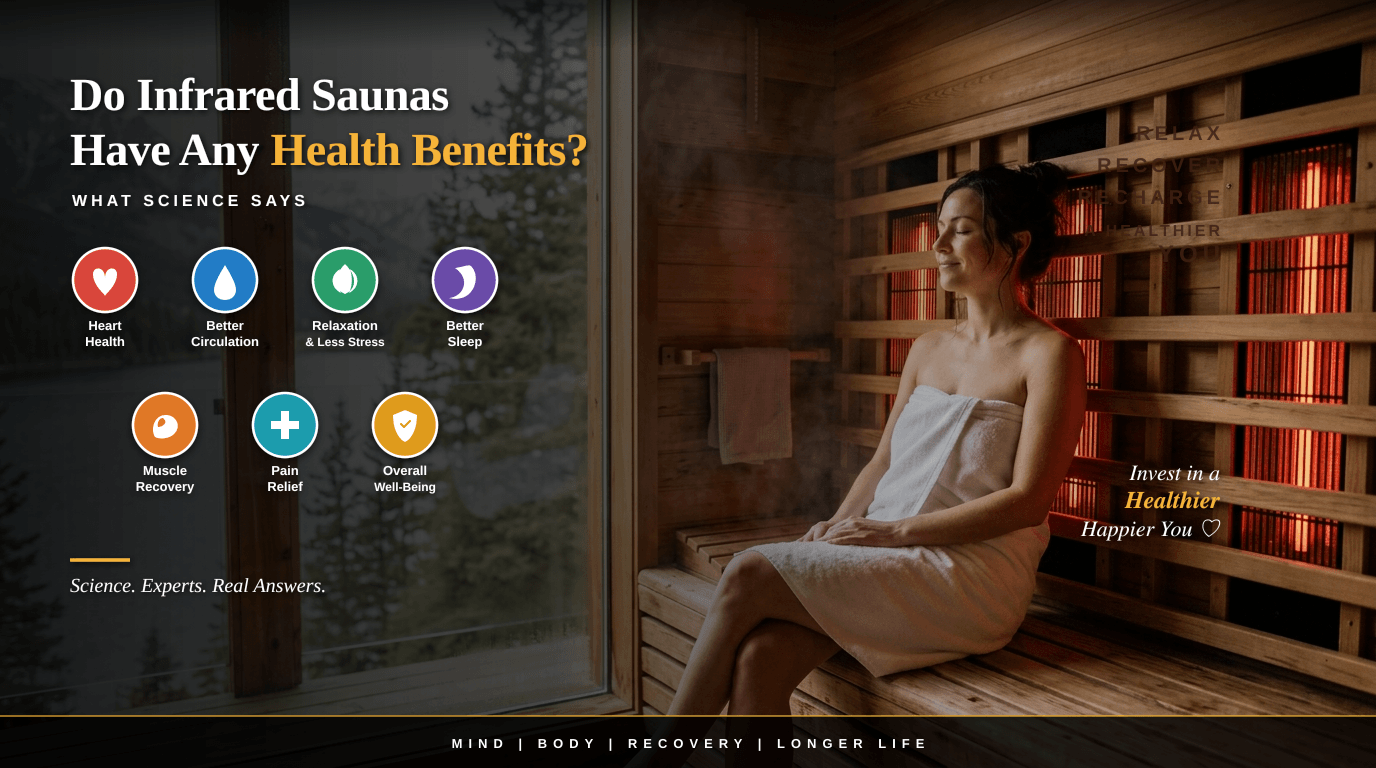
Do Infrared Saunas Have Any Health Benefits? What Science Says
A science-based look at infrared sauna benefits, cardiovascular effects, pain, relaxation, sleep, detox claims and safety.